Choosing the right kitchen sink is one of the most important decisions in a kitchen remodel or replacement. The wrong sink size, material, or installation type can lead to cabinet modifications, plumbing issues, daily usability problems, or costly returns.
This kitchen sink buying guide is designed to help you choose the right sink for your kitchen the first time. Whether you are renovating, replacing an existing sink, or planning a new build, this guide will help you avoid common mistakes and confidently narrow your options.
We will walk you through how to:
- Choose the right sink based on your kitchen layout and cabinet size
- Understand which kitchen sink materials hold up to real daily use
- Avoid sizing, installation, and feature mistakes that cause returns
- Shortlist 2 to 3 sink types that fit your workflow, budget, and design style
 |
 |
 |
This guide covers popular options like farmhouse apron sinks, undermount kitchen sinks, workstation sinks, and materials such as fireclay, granite composite, and stainless steel.
Along the way, you will find curated product examples and collections from trusted brands we carry at The Sink Boutique, so you can move from research to purchase with clarity and confidence.
If you want clarity instead of overwhelm, you’re in the right place.
Use the links below to jump to the sections most relevant to your kitchen project.
How to Use This Guide (and Skip What You Do Not Need)
Choosing the best kitchen sink is not about finding the most expensive or most popular option. It is about finding the sink that fits your kitchen layout, how you cook, and how you clean.
This guide is designed to help you do three things efficiently:
- Choose the right sink for your kitchen layout and cabinet configuration
- Avoid costly mistakes related to size, installation, and material
- Shortlist a small number of sink types that actually make sense for your needs
You do not need to read this guide top to bottom. Use it based on your situation:
- Short on time? Start with Different Types of Kitchen Sinks and Choosing the Right Sink Material.
- Replacing an existing sink? Go directly to Installation Tips and Considerations to avoid sizing and compatibility issues.
- Working within a budget? Jump to Top Picks for Kitchen Sinks Under $300 or Luxury Kitchen Sinks Worth the Investment.
Throughout this guide, we highlight common buyer mistakes, explain why certain sinks work better in specific kitchens, and link to curated collections so you can make a confident decision without second-guessing.
Different Types of Kitchen Sinks
The best kitchen sink for your home depends on how your kitchen is built and how you use it every day. Sink type affects cabinet requirements, installation complexity, cleaning, and long-term usability.
Below are the most common kitchen sink types, when each one makes sense, and which kitchens they work best in.
> Top Mount (Drop-In) Kitchen Sinks
Top-mount kitchen sinks, also called drop-in sinks, are installed from above the countertop with a visible rim that rests on the surface.
These sinks are a practical choice when working with laminate countertops, budget-friendly remodels, or rental properties. Installation is straightforward and does not require specialized countertop fabrication.
Best for homeowners looking for easy installation and flexibility. If you are replacing an existing sink without changing countertops, a top-mount sink is often the simplest option. Explore our full selection of top-mount kitchen sinks.
> Undermount Kitchen Sinks
Undermount kitchen sinks are installed beneath the countertop, creating a seamless edge that makes wiping crumbs and water directly into the sink easy.
These sinks are commonly used with stone countertops such as granite, quartz, and marble. They offer a clean, modern appearance and simplify daily cleanup.
Undermount sinks require professional installation and proper support, but they are a popular choice for homeowners prioritizing aesthetics and ease of maintenance.
Browse our curated collection of undermount kitchen sinks.
> Farmhouse (Apron Front) Kitchen Sinks
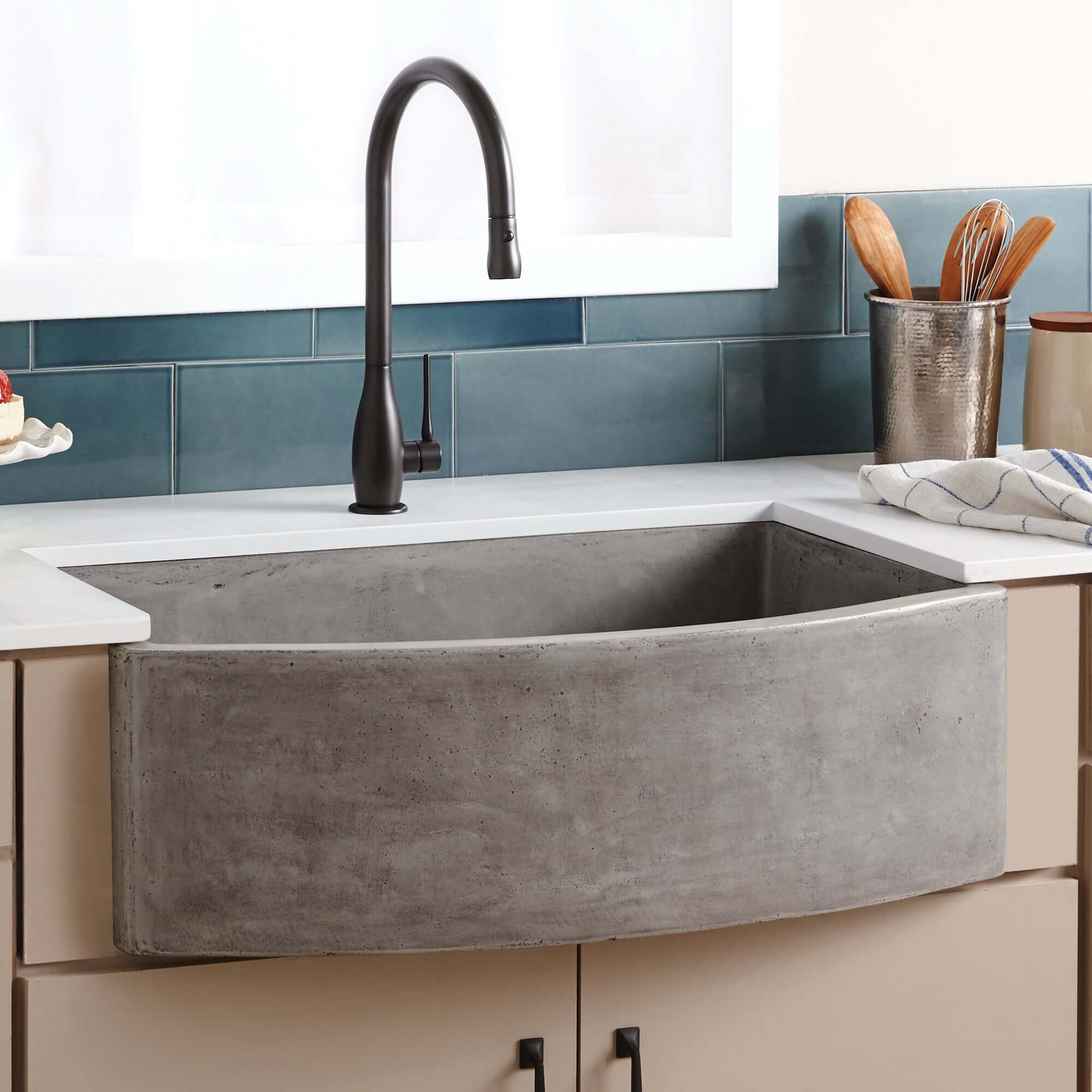
Farmhouse kitchen sinks, also known as apron front sinks, feature a deep basin and an exposed front panel that extends beyond the cabinet face.
These sinks are ideal for large cookware, frequent cooking, and statement kitchen designs. They are commonly made from fireclay, cast iron, or stainless steel.
Farmhouse sinks require careful planning for cabinet size and support. Many models need a 33 inch or 36 inch base cabinet, though retrofit options exist for remodels.
See our best-selling farmhouse apron kitchen sinks, including fireclay and workstation styles, and our best-selling kitchen sinks, including undermount, top-mount, or drop-in.
> Workstation Kitchen Sinks
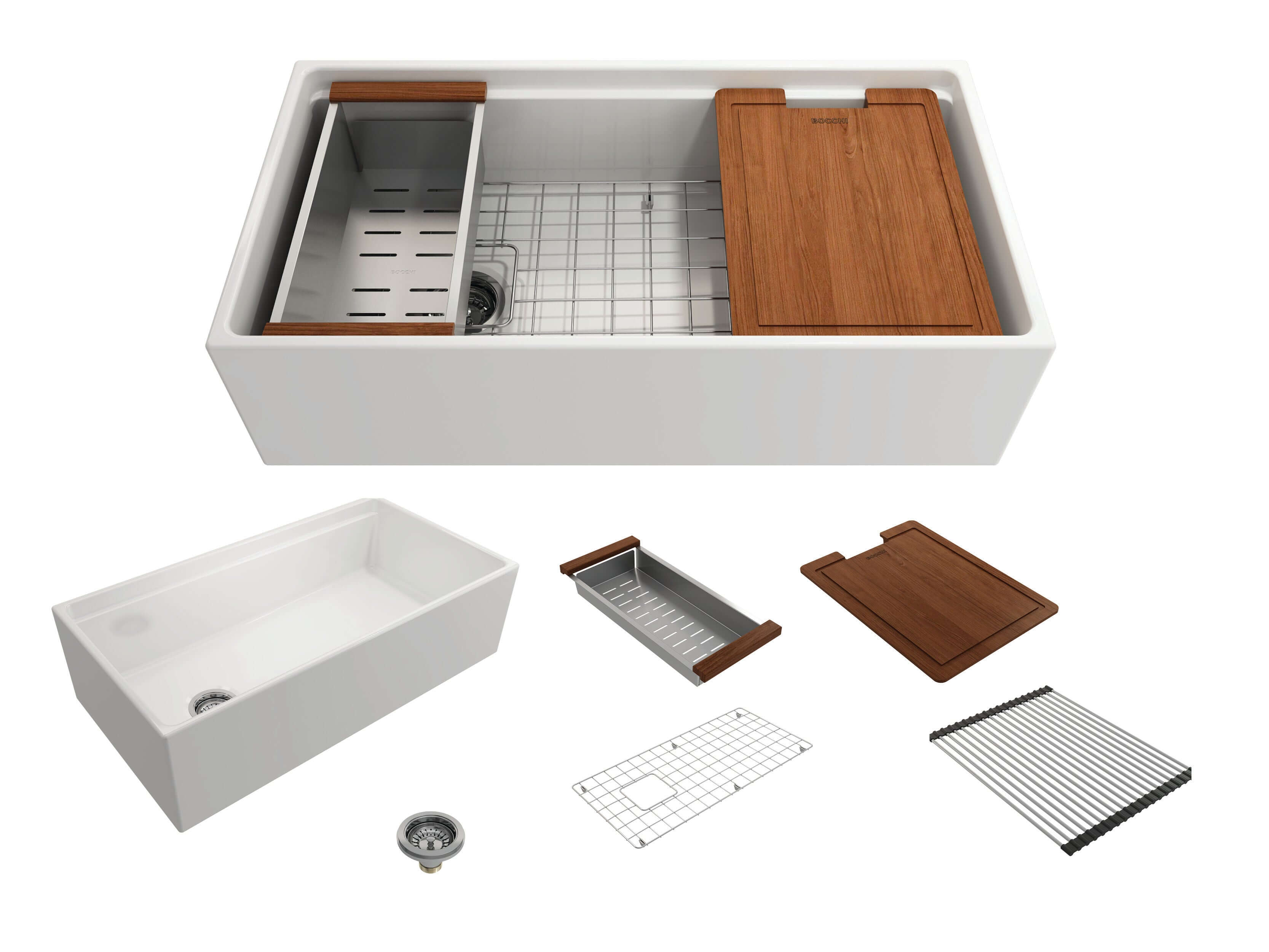
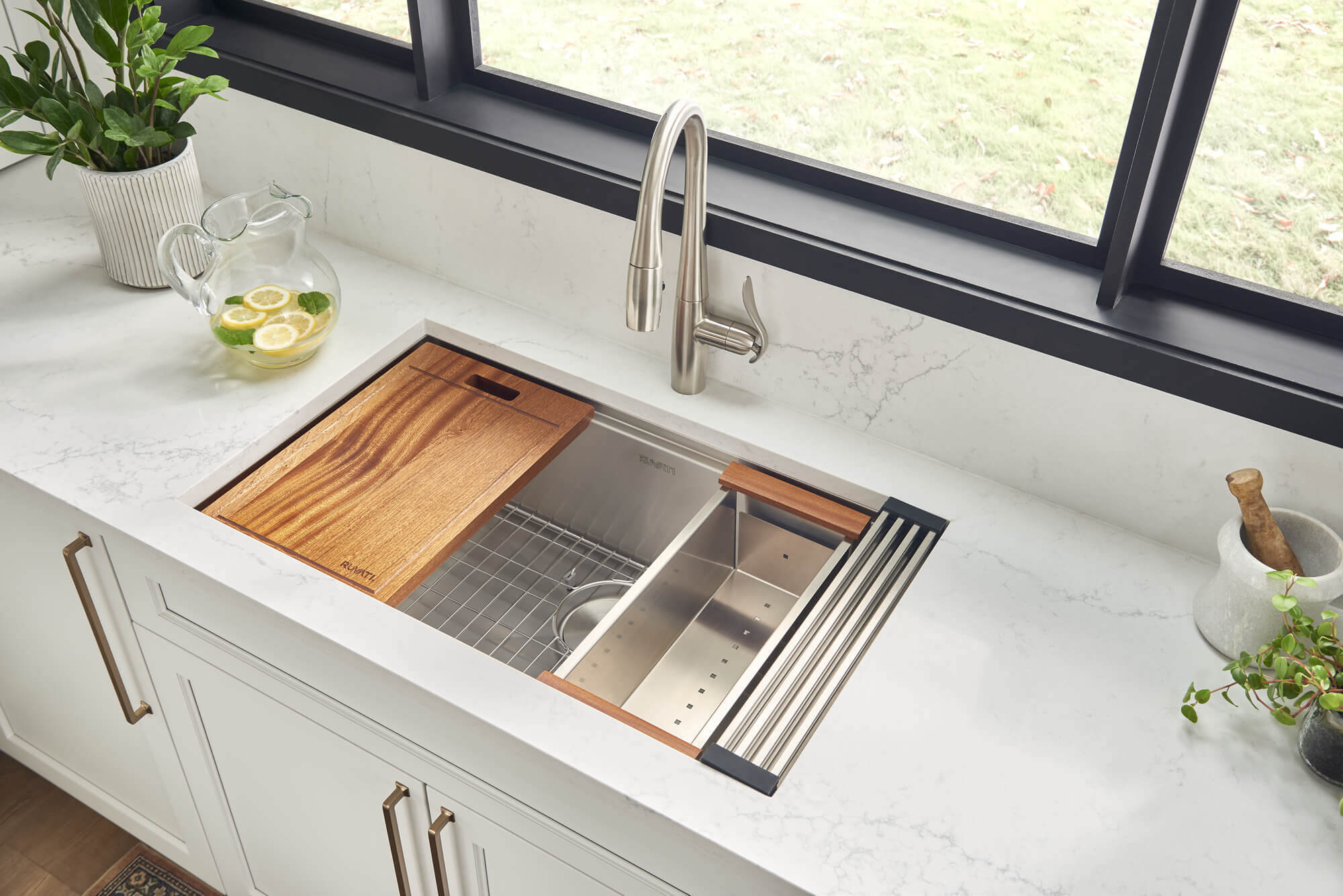
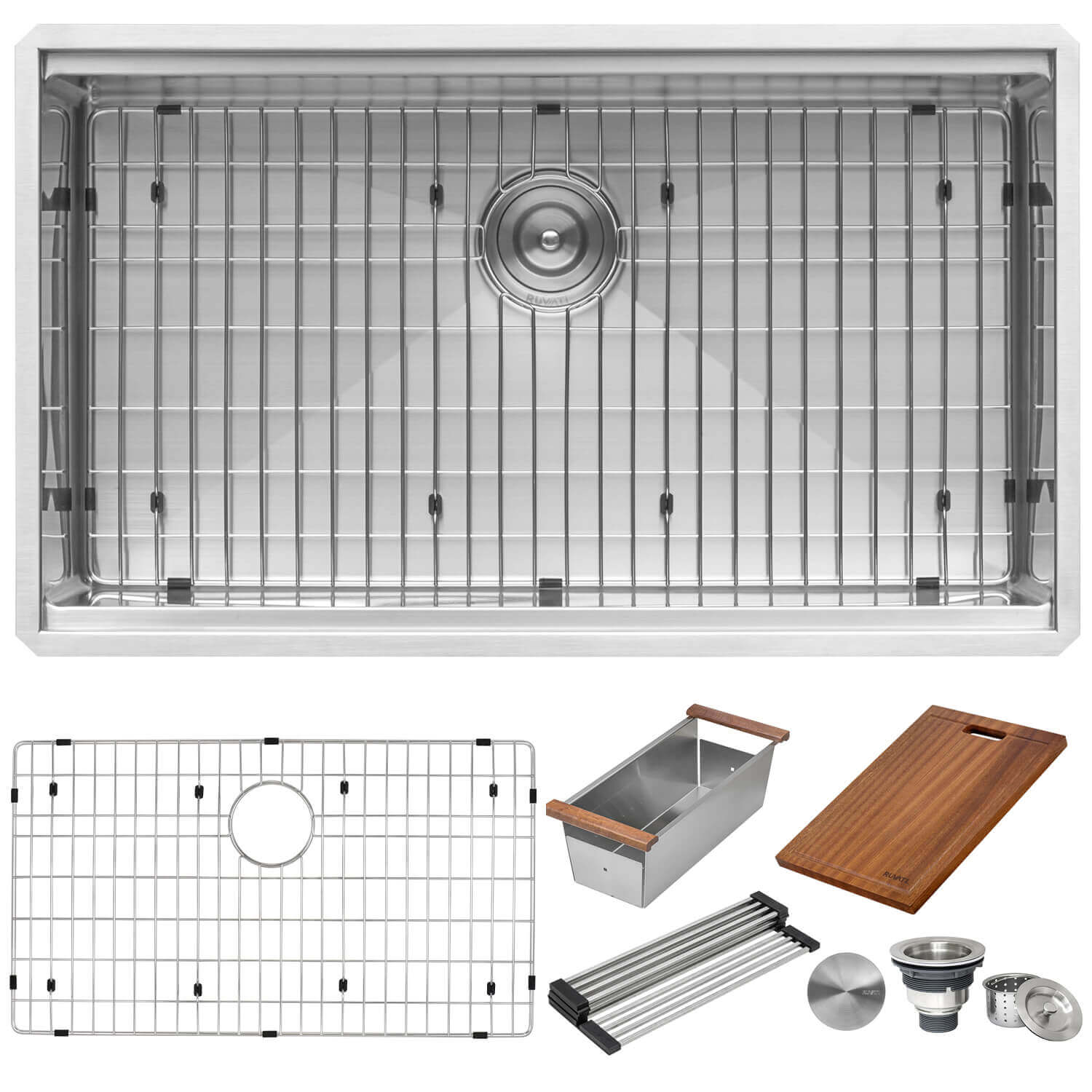
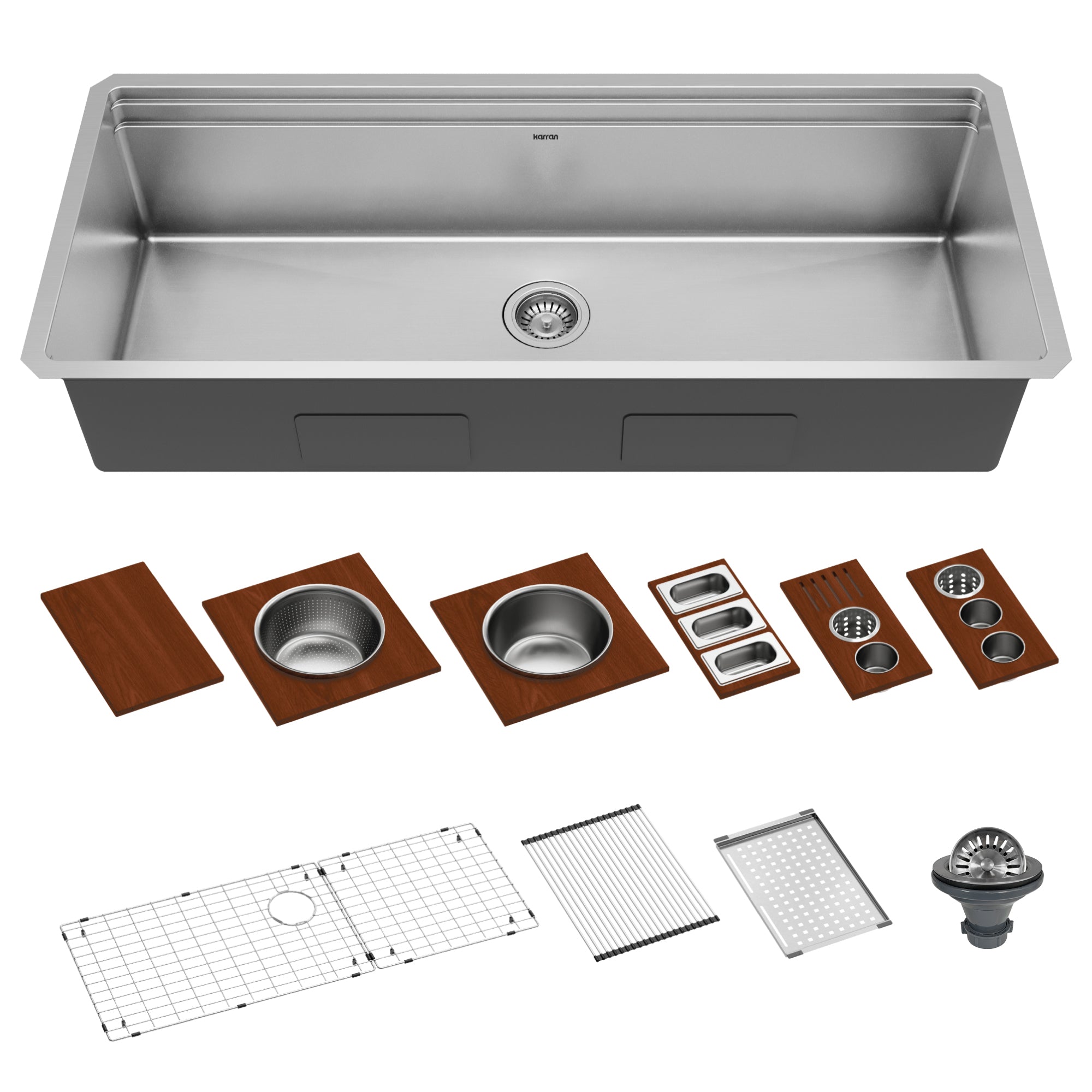
Workstation sinks include built-in ledges that support accessories such as cutting boards, colanders, drying racks, and sink grids.
These sinks are designed to improve workflow and reduce countertop clutter, making them popular with home cooks and entertainers.
Workstation sinks are available in undermount, farmhouse, and drop-in configurations, and work especially well in medium to large kitchens.
Learn more in our workstation sink buying guide or browse our workstation sink collection.
> Bar and Prep Kitchen Sinks
Bar and prep sinks are smaller sinks designed for secondary use in islands, beverage stations, or prep zones.
These sinks are ideal for entertaining, food prep, or smaller kitchens where space is limited. They are commonly installed as undermount or drop-in sinks.
View our collection of bar and prep kitchen sinks.
Now that you have narrowed down the sink type, the next step is choosing the right material for durability, maintenance, and long-term performance.
Top-Mount Kitchen Sinks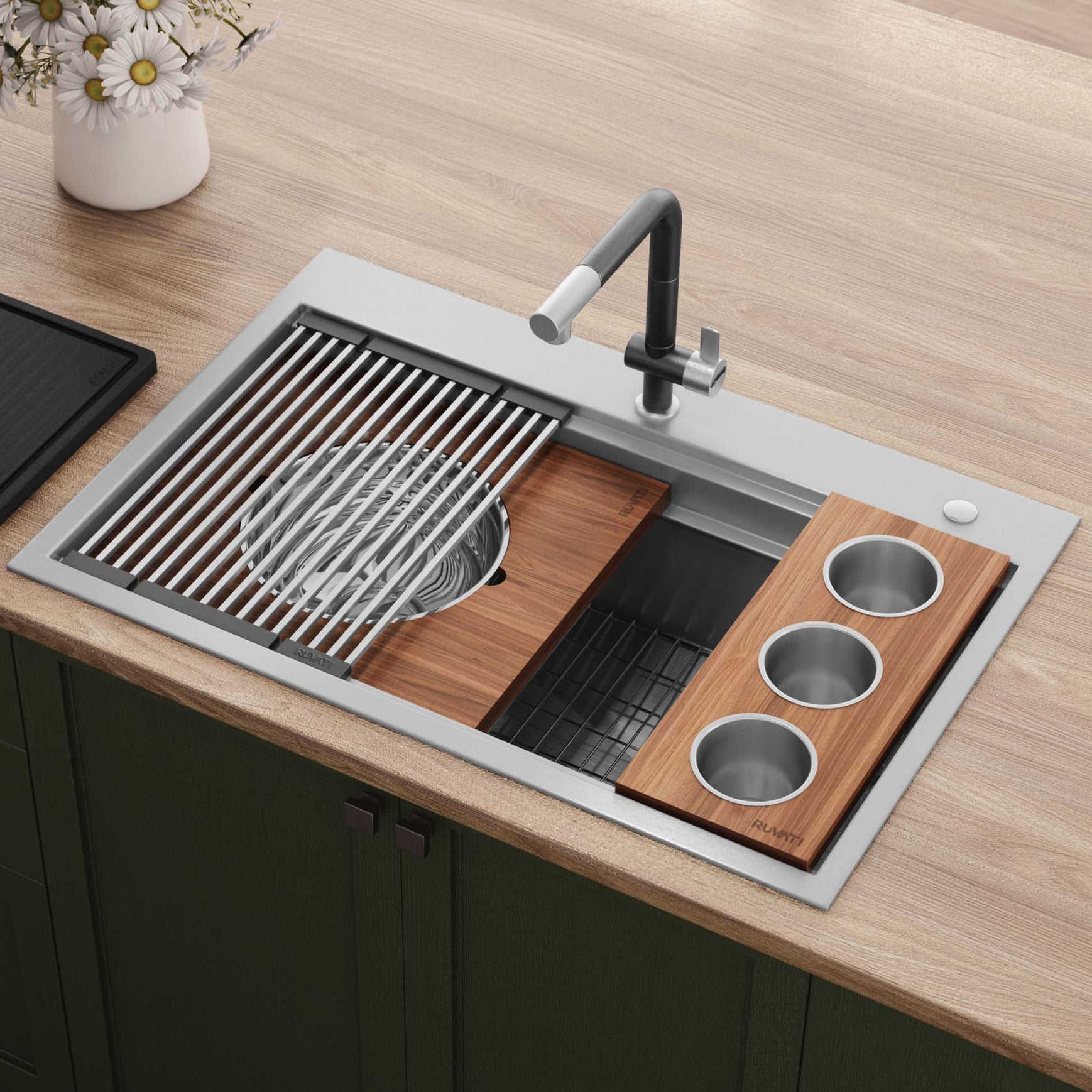 |
Undermount Kitchen Sinks
 |
Farmhouse Kitchen Sinks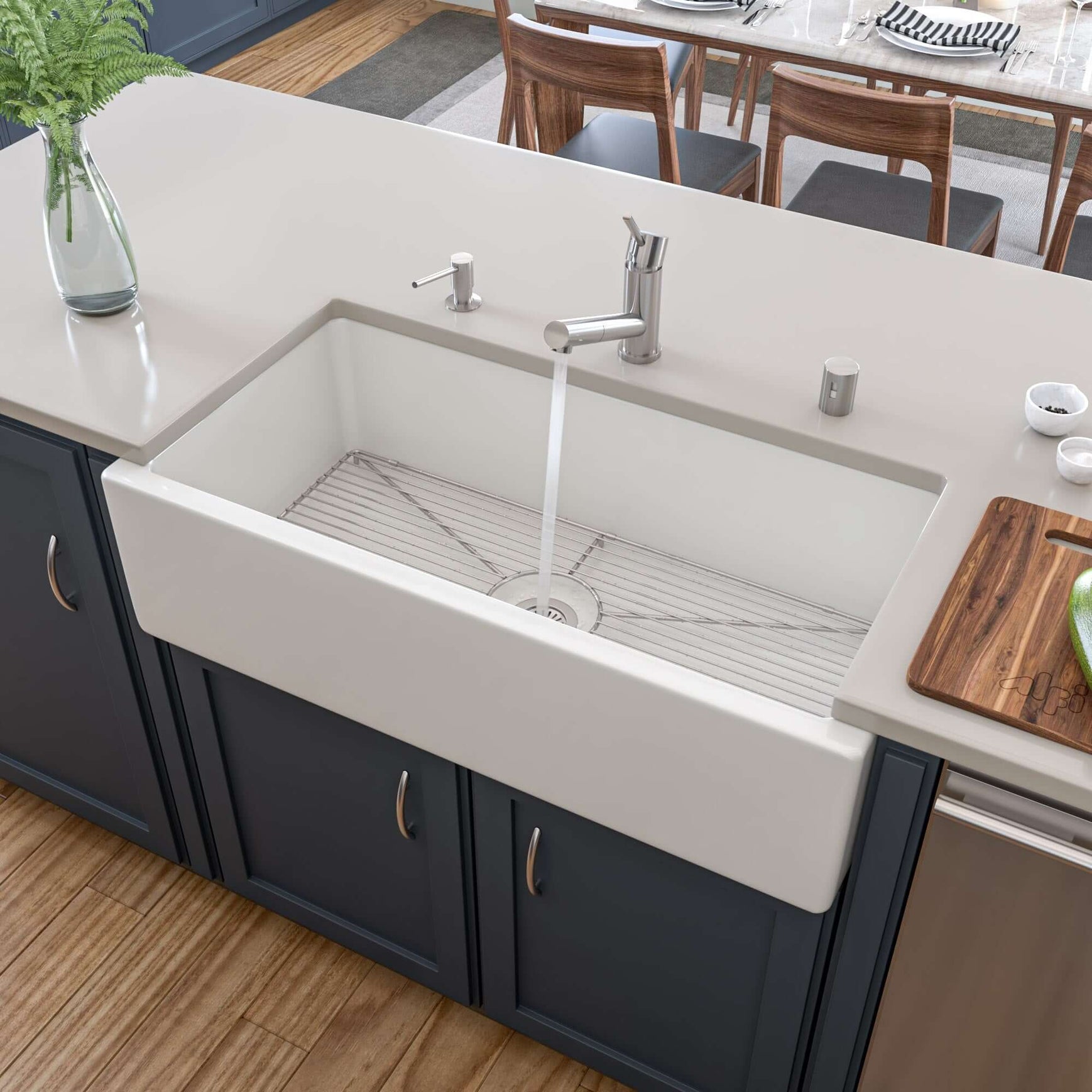
|
Bar / Prep Sinks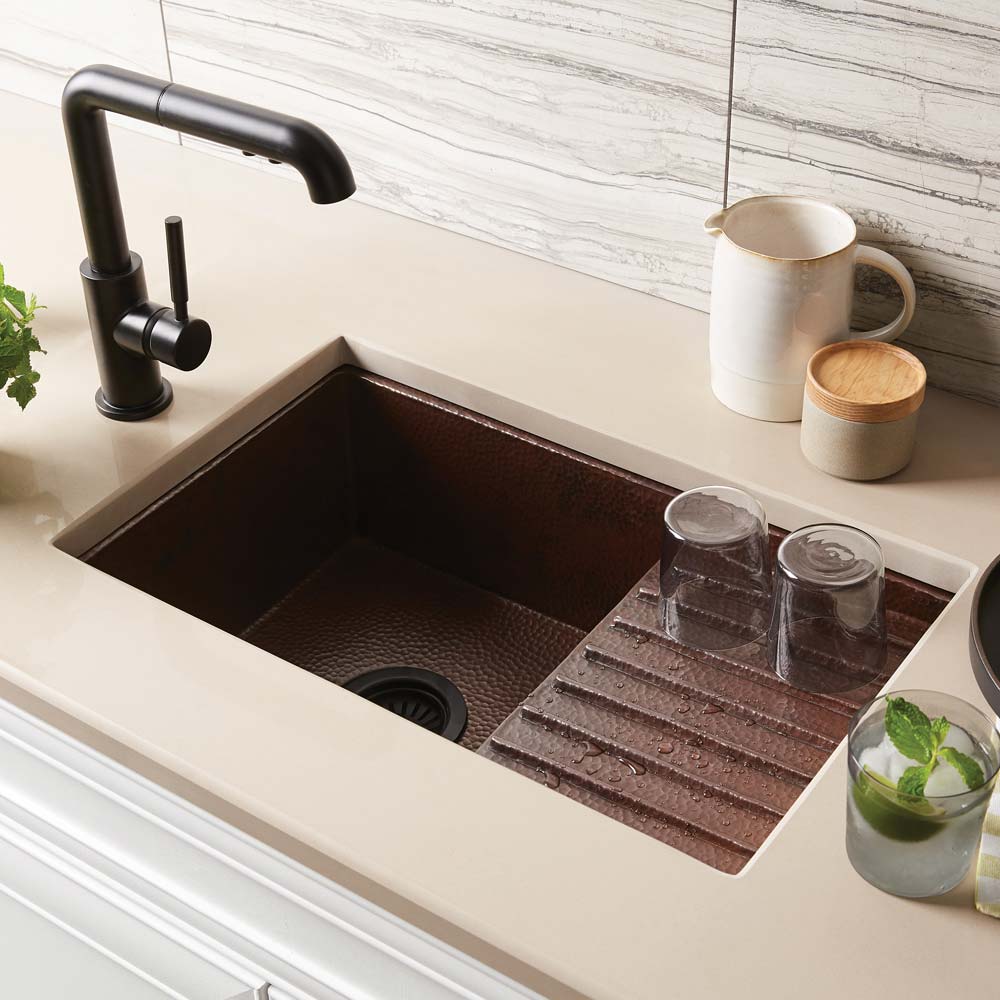
|
|

Why the Kitchen Sink Matters
The kitchen sink is one of the most used fixtures in your home. It impacts how efficiently you prep food, clean cookware, and move through daily kitchen tasks. Choosing the wrong sink can lead to usability issues, costly cabinet modifications, or early replacement.
Beyond function, the sink plays a major role in your kitchen’s visual balance. A farmhouse apron sink can become a focal point, while an undermount sink creates a clean, seamless look with stone countertops. Matching the sink to your layout, cabinet size, and cooking habits is more important than following trends.
Many homeowners focus on style first, then discover installation challenges later. Common mistakes include selecting a sink that is too large for the base cabinet, choosing a material that requires more maintenance than expected, or overlooking workflow needs like bowl depth and accessory compatibility.
This guide is designed to help you avoid those mistakes by narrowing your options early. If you already know your layout, you can jump directly to sink types or sink materials. If you are starting from scratch, continue reading to understand how the right sink supports both function and design.
For shoppers who want proven options, you can also browse our curated kitchen sinks collection to see real-world examples across farmhouse, undermount, workstation, and prep sink styles.
Choosing the Right Sink Material
Once you know the sink type that fits your kitchen layout, the most important decision is the material. Sink material affects durability, maintenance, noise, weight, and how the sink ages over time.
Below is a practical breakdown of the most common kitchen sink materials, along with guidance on who each material is best suited for.
> Fireclay Kitchen Sinks
Fireclay sinks are made from molded clay fired at extremely high temperatures and finished with a fused glaze. This process creates a dense, non-porous surface that resists staining, scratching, and discoloration.
Fireclay is especially popular for farmhouse and apron-front sinks because of its durability and timeless appearance. It performs well in busy kitchens and cleans easily with mild soap and water.
If you are considering fireclay, start with our fireclay farmhouse sink collection or read the fireclay sink buying guide.
> Stainless Steel Kitchen Sinks
Stainless steel sinks are lightweight, affordable, and versatile. They are available in a wide range of sizes and configurations, including undermount, drop-in, and workstation designs.
Thicker 16-gauge and 18-gauge sinks are quieter and more dent-resistant, while thinner gauges may show wear faster. Stainless steel is a good choice for modern kitchens and households that want easy installation and replacement flexibility.
Explore available options in our stainless steel kitchen sinks collection.
> Granite Composite Kitchen Sinks
Granite composite sinks are made from a blend of natural stone and acrylic resins. They offer excellent resistance to heat, scratches, and everyday wear, with a matte finish that hides water spots.
These sinks are lighter than fireclay but heavier than stainless steel, making them a popular middle-ground option. Granite composite works well for undermount and drop-in installations, especially in contemporary kitchens.
View styles and colors in our granite composite sink collection.
> Cast Iron Kitchen Sinks
Cast iron sinks feature a heavy iron core coated in enamel. They are known for their glossy finish and classic appearance, often found in traditional kitchens.
While durable, cast iron enamel can chip if struck hard by cookware, and the weight requires reinforced cabinetry. Many homeowners now compare cast iron against fireclay for similar aesthetics with lower maintenance.
If you are weighing these two options, see our detailed comparison: Fireclay vs. Cast Iron Sinks.
> Copper Kitchen Sinks
Copper kitchen sinks are handcrafted and develop a natural patina over time. They offer antimicrobial properties and a distinctive, artisanal look that works well in rustic and farmhouse-style kitchens.
Copper requires more care to maintain a specific finish, and the appearance will change with use. These sinks are best for homeowners who value character and visual impact over uniformity.
Material choice should balance aesthetics, maintenance expectations, and how intensively your kitchen is used. Next, we will look at how sink features can further refine your selection.
Choosing a Kitchen Sink by Feature
Once you have narrowed down sink type and material, features become the deciding factor. Features determine how efficiently you prep, clean, and move through daily kitchen tasks. This is where many homeowners successfully narrow their shortlist to one or two sink options.
Below are the most common kitchen sink features, along with guidance on who each option is best suited for.
> Workstation Kitchen Sinks
Workstation sinks include built-in ledges that support sliding accessories such as cutting boards, colanders, drying racks, and sink grids. These sinks help reclaim counter space and streamline meal prep and cleanup.
They are ideal for busy households, frequent cooks, and kitchens with limited counter area. Workstation sinks are commonly found in fireclay, stainless steel, and granite composite.
Learn more in our workstation sink buying guide, or browse the workstation sink collection or the farmhouse workstation sinks.
> Single Bowl vs Double Bowl Sinks
Single bowl sinks provide uninterrupted space for washing large pots, baking trays, and oversized cookware. They are popular in modern kitchens and pair well with farmhouse and undermount installations.
Double bowl sinks allow you to separate tasks such as washing and rinsing or food prep and cleanup. They work well in traditional kitchens and for households that multitask frequently.
If you are unsure which layout suits your workflow, see our single vs double bowl sink guide.
> Sink Depth and Bowl Capacity
Deeper sinks reduce splashing and help contain large loads, but they may be uncomfortable for shorter users or those with limited reach. Shallower bowls offer easier access but may feel cramped during heavy use.
Most standard kitchen sinks range between 8 and 10 inches deep. Farmhouse and workstation sinks often push deeper to accommodate accessories and oversized cookware.
> Sinks with Integrated Drainboards
Drainboard sinks include a sloped surface that directs water back into the basin. These are useful in kitchens without a dishwasher or for homeowners who prefer air-drying dishes.
Drainboards are commonly found in drop-in and farmhouse styles and work well in utility-focused kitchens.
> Corner, Bar, and Prep Sinks
Smaller sinks serve specific roles in kitchens with islands, wet bars, or secondary prep zones. Corner sinks maximize unused space, while bar and prep sinks support food prep, entertaining, and beverage service.
These sinks are ideal for larger kitchens or households that benefit from multiple work zones. Explore options in our bar and prep sink collection.
> Specialty and Use-Case Sinks
Some kitchens require sinks designed for specific environments or accessibility needs. These include outdoor kitchen sinks, RV and boat sinks, commercial-grade sinks, and ADA-compliant sinks.
If your kitchen has unique requirements, filtering by use case early can save time and avoid installation issues later.
Next, we will look at how budget influences sink selection and where it makes sense to spend more.
Budgeting for Your Kitchen Sink
Kitchen sinks vary widely in price, and cost is usually influenced by three factors: material, size and configuration, and installation complexity. Understanding where your money goes helps you decide when to save and when it makes sense to invest.
Most homeowners fall into one of three budget ranges. Below is a practical breakdown of what to expect at each level.
> Kitchen Sinks Under $300
Budget-friendly sinks are typically stainless steel or smaller composite models. These are ideal for rentals, secondary kitchens, bar areas, or homeowners prioritizing function over long-term aesthetics.
At this price point, focus on gauge thickness, sound-deadening pads, and included accessories like bottom grids. Avoid oversized farmhouse sinks, which usually require reinforced cabinetry and higher installation costs.
Explore curated options in our kitchen sinks under $300 collection.
> Mid-Range Kitchen Sinks $300 to $900
This is the most popular range for primary kitchen sinks. You will find fireclay farmhouse sinks, granite composite sinks, deeper stainless steel undermounts, and many workstation models in this category.
Mid-range sinks offer better glazing, thicker materials, improved accessories, and more size options. For most remodels, this range provides the best balance between durability, design, and long-term value.
If you are planning a farmhouse or apron-front install, start with our farmhouse sink collection to see real-world pricing across sizes and materials.
> Luxury Kitchen Sinks $900 and Up
High-end kitchen sinks focus on craftsmanship, materials, and features. This category includes premium fireclay, copper, concrete, and large workstation sinks with full accessory suites.
These sinks are often chosen as visual focal points and require careful planning for cabinet support and installation. While the upfront cost is higher, luxury sinks typically deliver superior longevity and design impact.
> Do Not Forget Installation Costs
Installation costs can vary significantly depending on sink type. Undermount and farmhouse sinks usually require professional installation, cabinet reinforcement, and precise countertop cutouts.
Before finalizing your budget, confirm base cabinet size, countertop material, and whether plumbing or structural changes are required. These factors often influence total project cost more than the sink itself.
Next, we will highlight specific sink recommendations across price ranges.
Top Picks for Kitchen Sinks Under $300
Finding a reliable kitchen sink under $250 is possible if you focus on the right materials and sizes. At this price point, stainless steel, granite composite, and smaller fireclay prep sinks offer the best value without sacrificing everyday usability.
These options work well for primary kitchens on a budget, rental properties, bar and prep areas, or secondary sinks where durability and ease of installation matter most.
Best Stainless Steel Sink Under $300
Stainless steel remains the most practical option in this range. Look for 16-gauge or 18-gauge construction, sound-deadening pads, and included accessories like bottom grids.
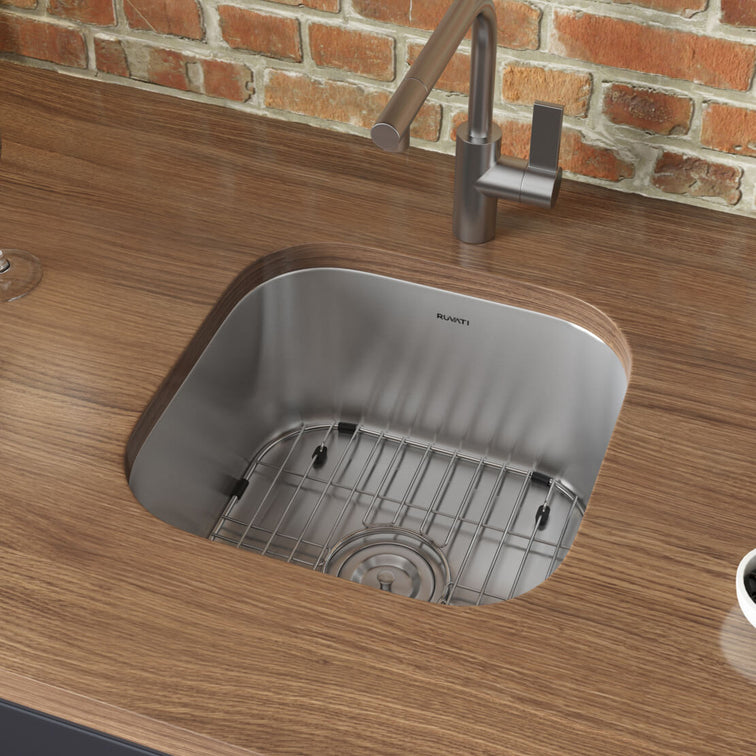
A strong example is the Ruvati Parmi 16-inch Undermount Stainless Steel Prep Sink, which offers thick steel, clean lines, and excellent noise control at an entry-level price.
Best Granite Composite Sink Under $300
Granite composite sinks deliver a matte finish, strong heat resistance, and excellent scratch durability. They are quieter than stainless steel and hide water spots well.
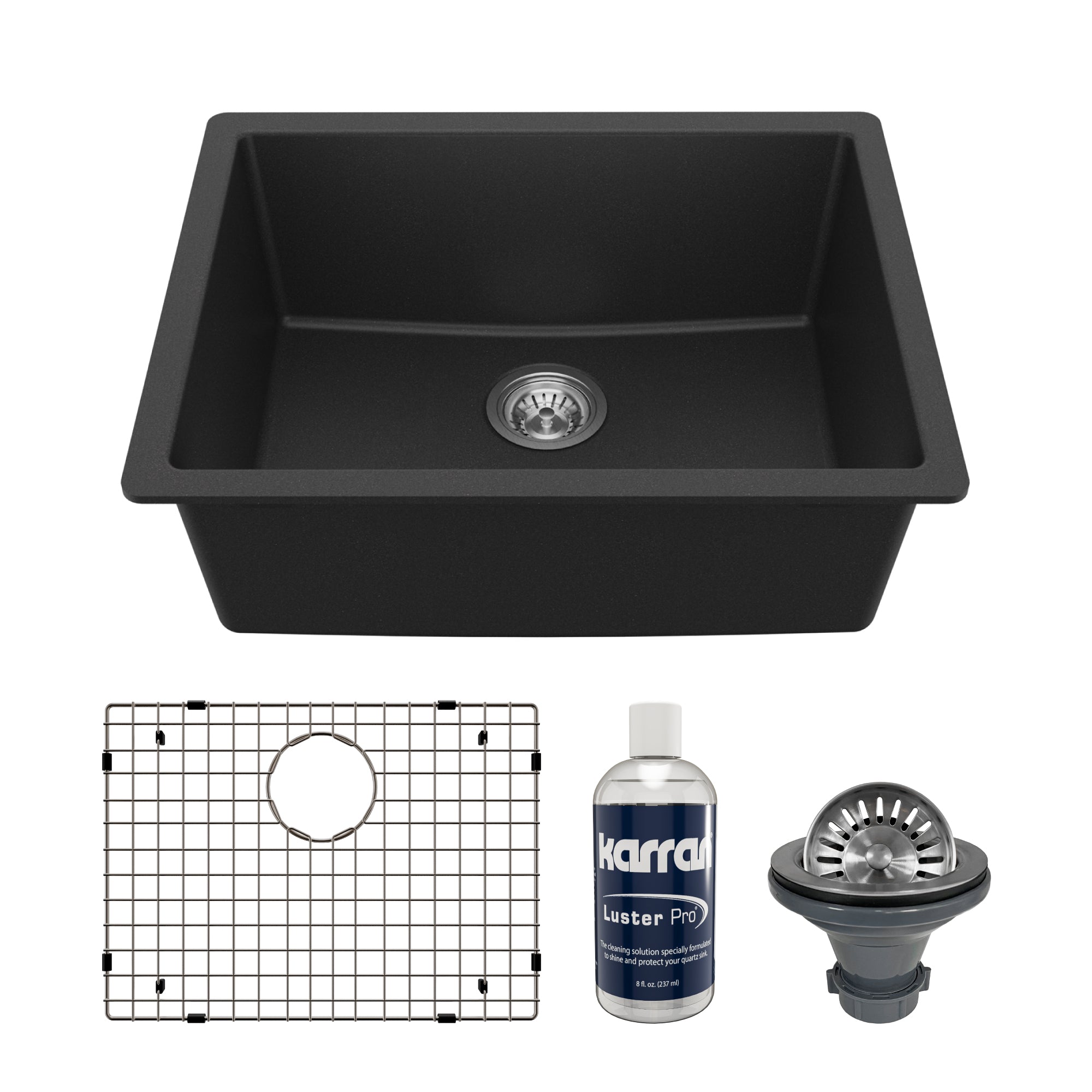
The Karran 24-inch Undermount Quartz Composite Sink is a solid choice for homeowners who want a modern look with minimal maintenance.
Best Fireclay Sink Under $300
Full-size fireclay farmhouse sinks typically exceed this budget, but smaller fireclay prep sinks are available and perform exceptionally well.

The BOCCHI Sotto 12 inch Fireclay Prep Sink offers true fireclay durability, smooth glazing, and heat resistance at a surprisingly accessible price.
Best Drop-In Sink Under $300
Drop-in sinks are easy to install and work with laminate or existing countertops. They are a good choice when minimizing installation cost is a priority.

Models like the Elkay Dayton 33-inch Double Bowl Drop-In Sink remain popular for traditional kitchens and quick replacements.
If your budget allows more flexibility, moving up one tier opens access to farmhouse and workstation designs.
Luxury Kitchen Sinks Worth the Investment
Luxury kitchen sinks go beyond basic functionality. They are often chosen as focal points and are designed to last for decades with proper installation and care. At this level, material quality, craftsmanship, and integrated features matter more than price alone.
Homeowners typically invest in a high-end sink when renovating a primary kitchen, designing a custom home, or upgrading to a statement piece that anchors the entire space.
> Premium Fireclay Farmhouse Sinks
High-end fireclay sinks are fired at extremely high temperatures and finished with refined glazing that resists staining, scratching, and discoloration over time. These sinks are heavier, thicker, and more consistent than entry-level ceramic options.
Luxury fireclay farmhouse sinks are ideal for apron-front installations where the sink becomes a visual centerpiece. They pair well with stone countertops and custom cabinetry.
Explore curated options in our fireclay farmhouse sink collection.
> High-End Workstation Kitchen Sinks
Luxury workstation sinks include precision-cut ledges, thicker materials, and full accessory kits. These sinks are designed for homeowners who cook frequently and want to consolidate prep, washing, and drying into a single workflow zone.
Larger workstation sinks often require careful planning for cabinet size and support, especially in 33-inch and 36-inch base cabinets.
Browse premium options in our workstation kitchen sink collection.
> Copper, Concrete, and Specialty Materials
Specialty sinks such as copper, natural stone sinks made from blocks of stone, and concrete offer distinctive character and artisanal appeal. Copper sinks develop a natural patina over time, while concrete sinks deliver a bold, architectural presence.
These materials are best for homeowners who value uniqueness and are comfortable with natural aging and variation.
> Large Format and Custom Sinks
Oversized sinks in 36-inch and larger formats provide unmatched capacity for entertaining and heavy use. These sinks often require reinforced cabinetry and professional installation but deliver exceptional usability in return.
If you are considering a large apron-front or undermount sink, confirm base cabinet width and installation requirements before purchasing.
Investing in a luxury sink makes sense when durability, workflow, and long-term design impact are priorities. Next, we will cover practical installation considerations.

|

|
|
 33" Copper Kitchen Sink, KSDB33199 33" Copper Kitchen Sink, KSDB33199
|
|
 |

Installation Tips and Considerations
Proper installation is just as important as choosing the right kitchen sink. Even a premium sink can underperform or cause long-term issues if cabinet support, cutouts, or plumbing are not planned correctly.
Before purchasing, review your cabinet size, countertop material, and installation type. This helps avoid costly modifications and ensures your sink performs as intended.
> Base Cabinet Size Matters
Most kitchen sinks are designed to fit standard base cabinets, but the required cabinet width varies by sink style and size.
- 30-inch sinks typically require a minimum 33-inch base cabinet
- 33-inch sinks usually require a 36-inch
- 36-inch farmhouse sinks often require reinforced cabinetry and custom support with a 39" or larger base cabinet.
Always check the manufacturer’s spec sheet and confirm interior cabinet clearance before ordering.
> Sink Weight and Cabinet Support
Heavier materials such as fireclay, cast iron, and concrete require additional cabinet reinforcement. Farmhouse and apron-front sinks typically rest on a support frame or cradle rather than hanging from the countertop alone.
If you are selecting a fireclay model, review our curated fireclay farmhouse sinks to confirm weight and installation requirements.
> Undermount vs Top-Mount Installation
Undermount sinks create a seamless countertop look and are ideal for stone surfaces like granite and quartz. They require precise cutouts and professional installation.
Top-mount sinks are easier to install and work well with laminate or budget-friendly countertops. They remain a practical choice for remodels and rental properties.
Compare options in our undermount kitchen sinks and top-mount kitchen sinks collections.
> Plumbing and Disposal Compatibility
Most modern kitchen sinks are compatible with standard garbage disposals, but deeper basins may require extended drain assemblies or offset plumbing.
Farmhouse sinks often position the drain closer to the front, which can impact existing plumbing layouts. Confirm disposal clearance and trap alignment before installation.
> Professional Installation Is Recommended
For heavy sinks, undermount installations, and farmhouse designs, professional installation is strongly recommended. This ensures proper support, alignment, and sealing, and protects your warranty.
If you are installing an apron-front sink for the first time, review our detailed farmhouse sink installation guide.
Choosing the Right Kitchen Sink Without Overthinking It
The best kitchen sink is the one that fits your cabinet layout, supports how you cook and clean, and holds up to daily use without becoming a maintenance headache. By understanding sink types, materials, installation styles, and real-world features, you can avoid costly mistakes and confidently narrow your options.
If your priority is durability and timeless design, materials like fireclay, granite composite, and high-gauge stainless steel consistently perform well across kitchen styles. If functionality matters most, workstation sinks with integrated accessories can significantly improve workflow. And if you are upgrading an existing kitchen, choosing the correct size and installation type is often more important than chasing trends.
Many homeowners find success by shortlisting just two or three sink categories that match their space and habits. From there, comparing finishes, bowl layouts, and accessories becomes far easier.
If you are ready to explore real, in-stock options, you can browse by style or material: shop all kitchen sinks, compare popular farmhouse apron sinks, or focus on durable fireclay farmhouse sinks and versatile undermount kitchen sinks.
And if you still have questions about sizing, installation, or choosing between two models, our team is always happy to help you make the right call for your kitchen.
Key Takeaways: Choosing the Best Kitchen Sink

- The best kitchen sink depends on cabinet size, installation type, and how you cook and clean, not just style.
- Fireclay, granite composite, and 16-gauge stainless steel are among the most durable kitchen sink materials.
- Farmhouse sinks offer deep basins and visual impact, while undermount sinks provide a cleaner, modern look.
- Workstation sinks improve efficiency by combining prep, washing, and drying in one integrated space.
- Measuring your base cabinet width is more important than countertop size when selecting a sink.
- Shortlisting two to three sink types makes comparing materials, finishes, and features far easier.