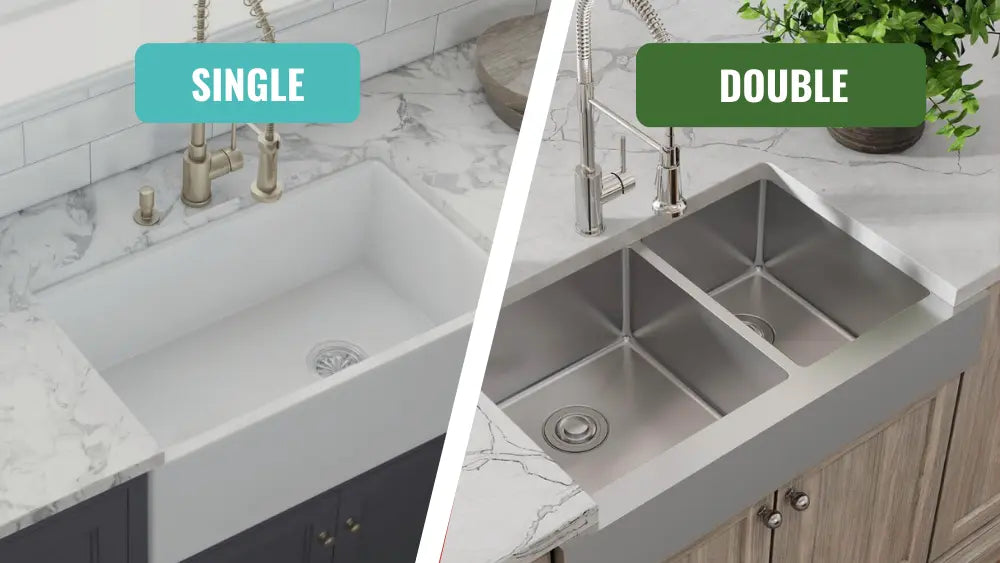
Choosing between a single vs double bowl sink is one of the most impactful decisions when remodeling or upgrading your kitchen. Both configurations offer distinct advantages that affect daily workflow, cabinet sizing, and cleaning efficiency. This guide compares pros, cons, sizing, and real-world usability so you can choose the right kitchen sink configuration for your home.
If you are still comparing options across styles and materials, explore our full Kitchen Sinks collection to see single bowl, double bowl, farmhouse, undermount, and drop-in sinks side by side.
 Latoscana LFS3318W
|
 Latoscana LTD3319W
|
Single Bowl: Pros & Cons
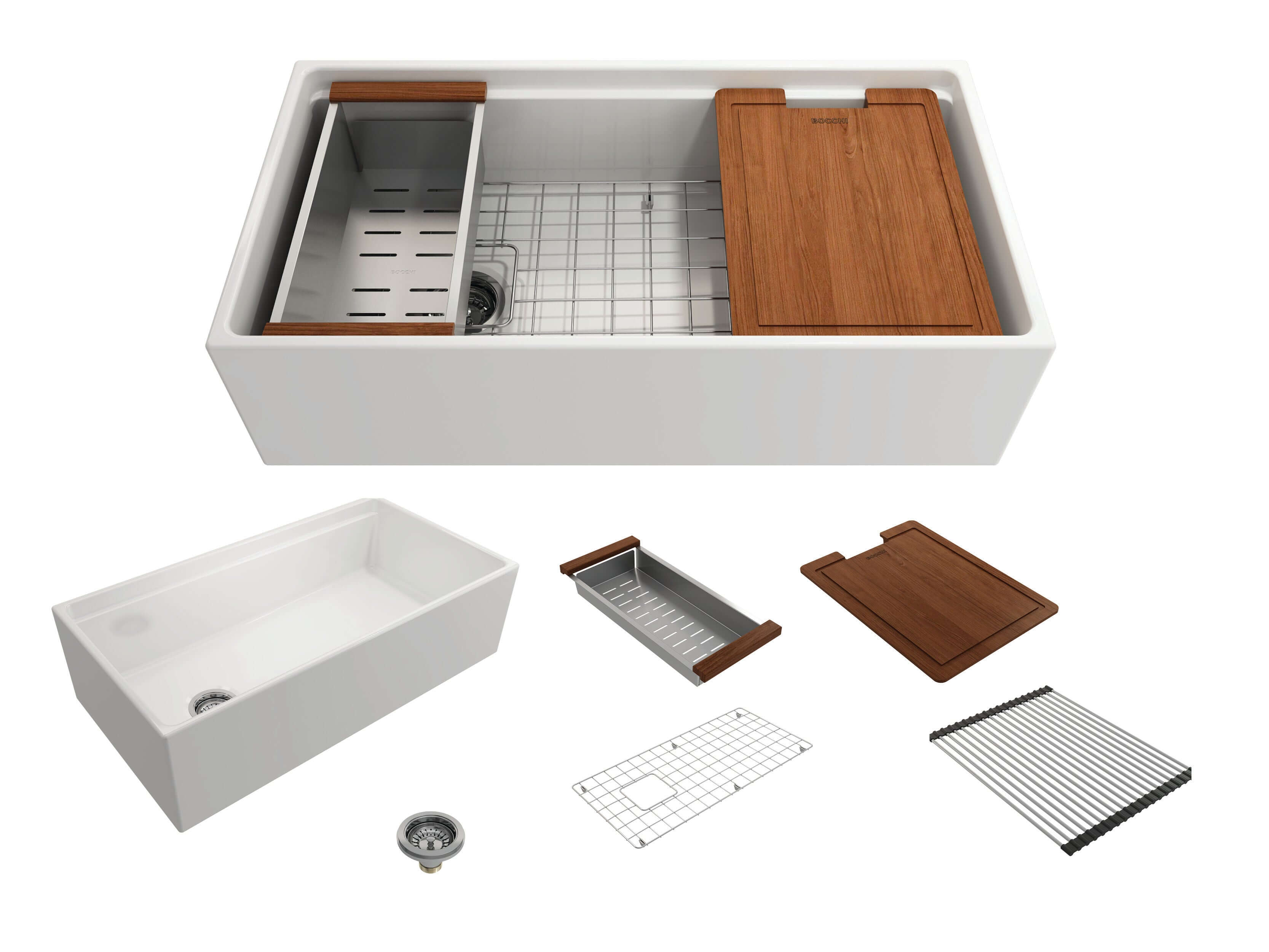
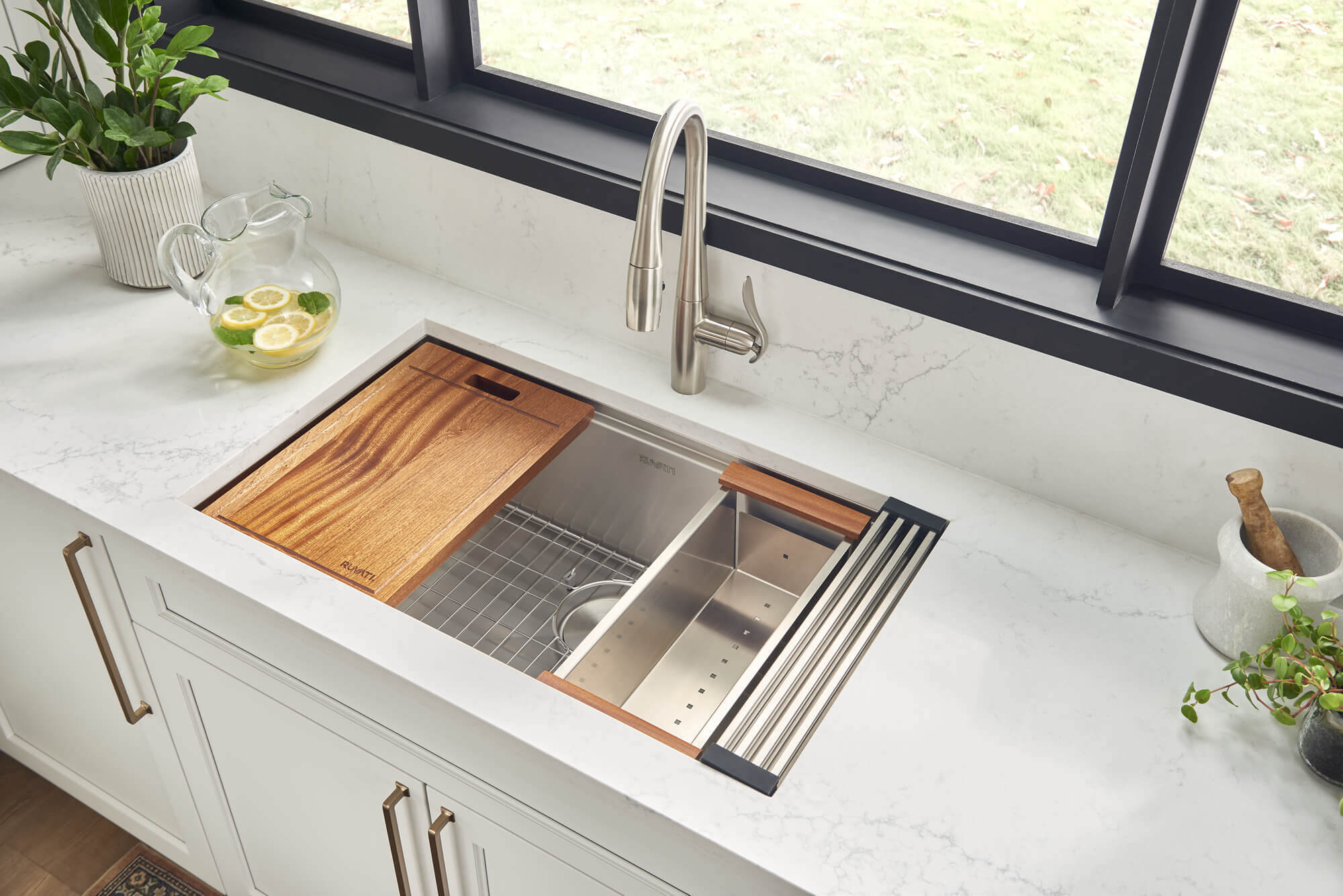
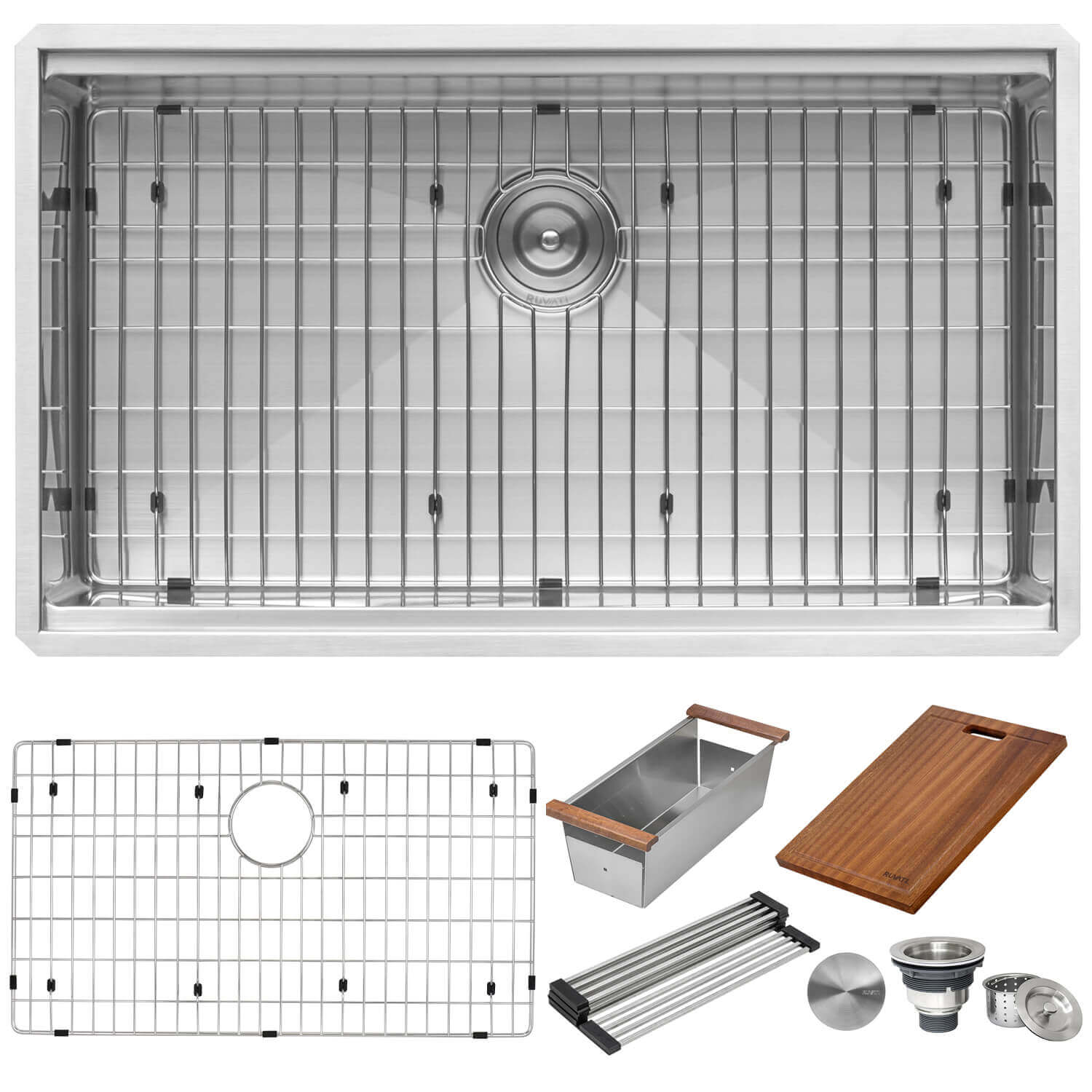
A single bowl kitchen sink offers one large, uninterrupted basin. This design is ideal for washing oversized cookware such as roasting pans, stockpots, and baking sheets. With no center divider, you gain maximum usable space and easier cleanup for large items.
Single bowl sinks typically fit 30 to 36 inch base cabinets, making them a smart choice for smaller kitchens, galley layouts, or renovations with fixed cabinetry. They are also easier to maintain, with fewer edges and surfaces to clean.

Advantages
- Large uninterrupted workspace
- Fits narrower cabinets (30–36 inches)
- Easier to clean large cookware
- Lower cost than most double bowl sinks
Disadvantages
- No built-in separation for multitasking
- Cannot wash and rinse simultaneously
- Less organization for hand-washing dishes
Double Bowl: Pros & Cons
A double bowl sink (also called a double basin sink) features two separate compartments divided by a center wall. This configuration allows simultaneous washing, rinsing, and food prep, making it popular for busy households.
Double bowl sinks require wider cabinetry, typically 36 inches or more. Many designs offer 50/50 or 60/40 splits, allowing you to balance workspace and functionality depending on how you cook and clean.

Advantages
- Simultaneous washing and rinsing
- Improved workflow for multitasking
- Divider helps contain dishes while scrubbing
- Ideal for families and frequent entertainers
Disadvantages
- Smaller space per basin
- Requires wider cabinet (36+ inches)
- More surfaces to clean
Design & Size Considerations
Cabinet width is the most important factor when choosing between single and double bowl sinks. A single bowl sink pairs well with 30 to 36-inch cabinets, while double bowl sinks work best with 36 to 42-inch cabinets.
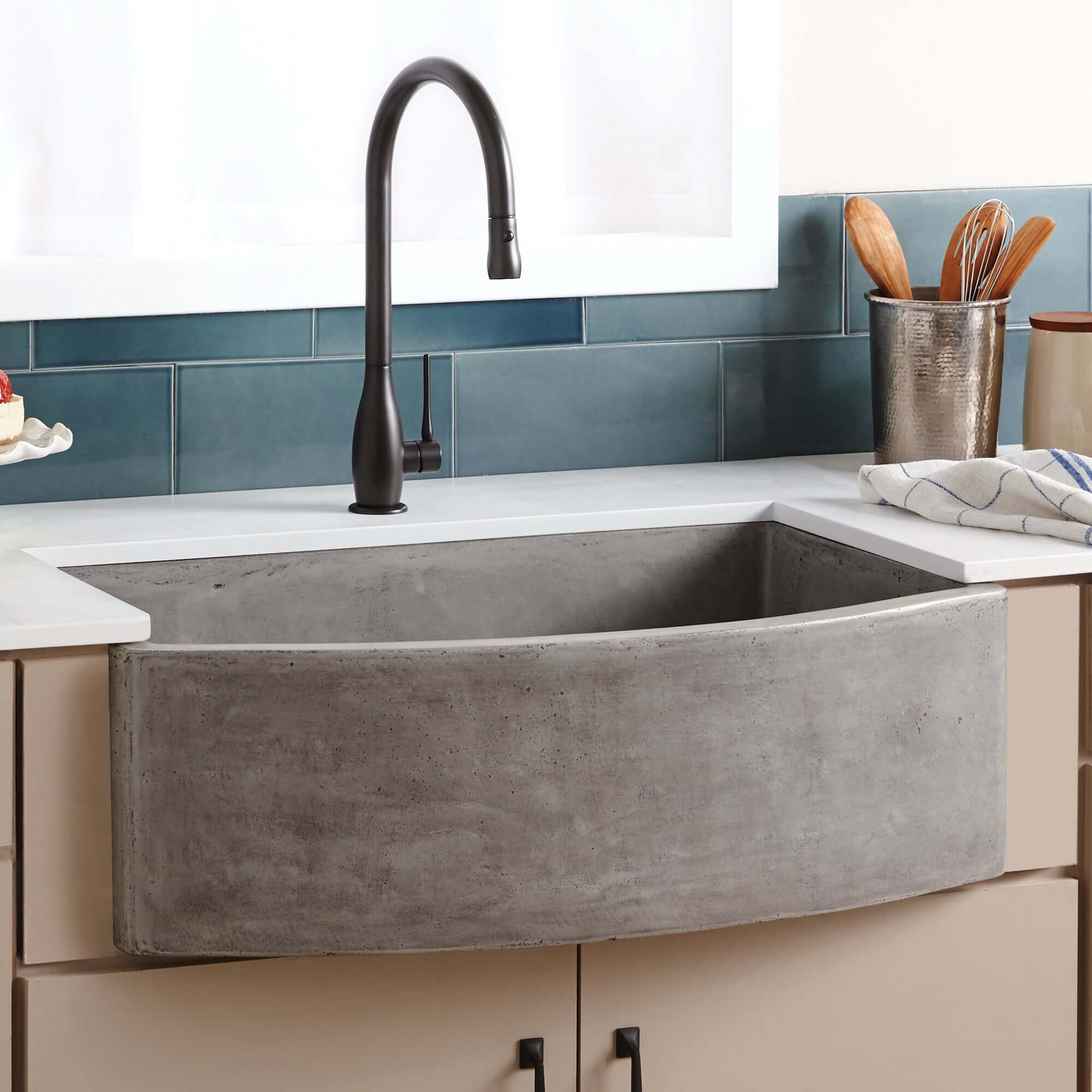
Both configurations are available in undermount, drop-in, and farmhouse styles. Farmhouse sinks are commonly offered in both single and double bowl designs, combining deep basins with statement styling.
Which Should You Choose?
Choose a single bowl sink if you frequently cook with oversized cookware, have limited cabinet width, or prefer a simpler, easier-to-clean design.
Choose a double bowl sink if you value multitasking, wash dishes by hand, or want separate zones for prep and cleanup.
Browse available options in our Single Bowl Kitchen Sinks and Double Bowl Kitchen Sinks collections to compare real models side by side.
Frequently Asked Questions
Find the Right Kitchen Sink
Explore premium single and double bowl sinks in stainless steel, fireclay, and granite composite.