When planning a kitchen remodel, one of the biggest design choices comes down to the sink style. Two of the most popular options today, farmhouse (apron-front) and undermount sinks, both offer stunning looks and practical benefits. But which one truly fits your kitchen and lifestyle?
In this guide from The Sink Boutique, we’ll compare farmhouse and undermount sinks by style, installation, materials, maintenance, and cost, so you can choose the one that’s right for you.
1. Understanding the Two Styles
Farmhouse (Apron-Front) Sinks
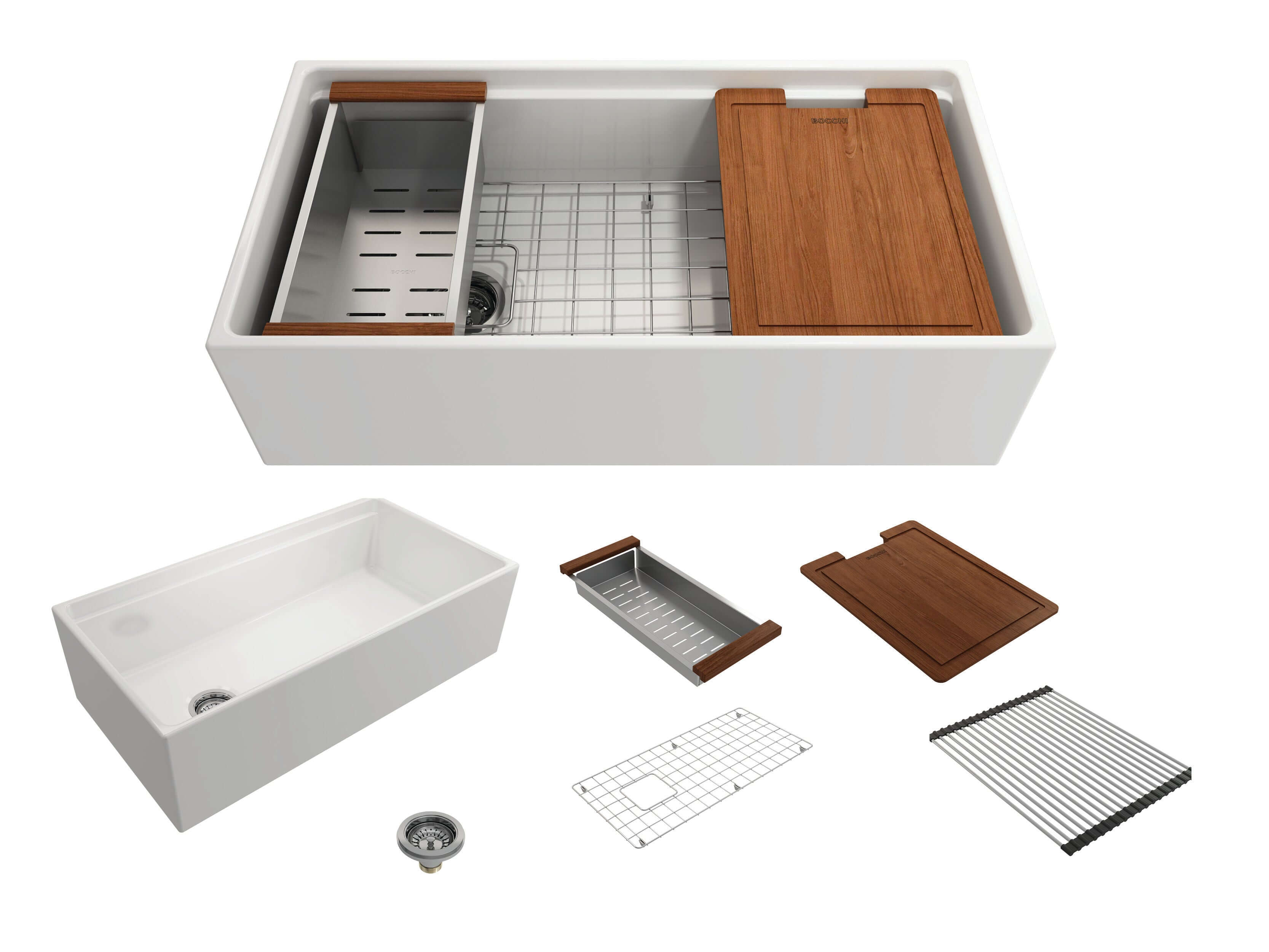
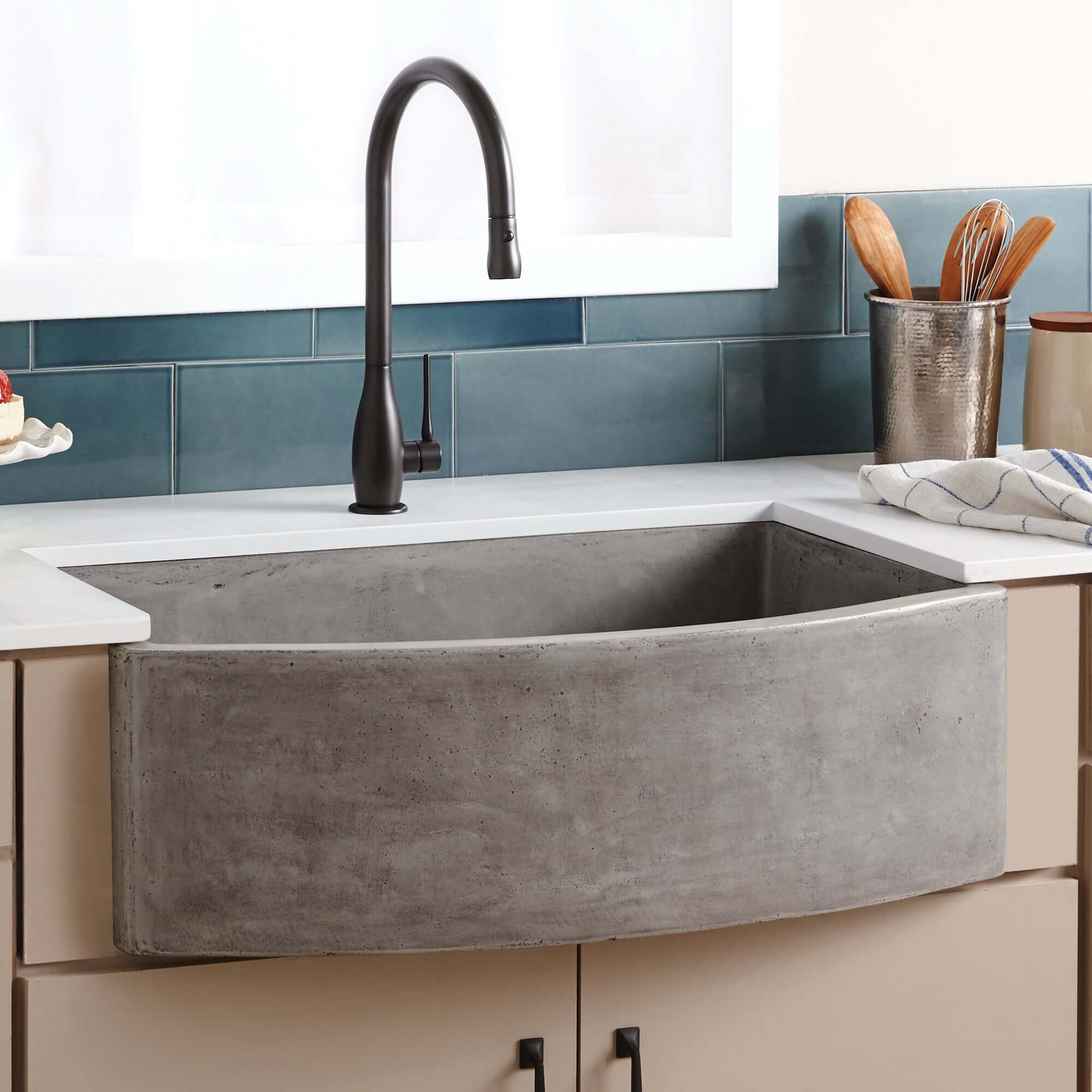
Farmhouse sinks are easily recognizable by their exposed front panel that extends past the countertop. Originally designed for heavy use in country kitchens, today’s versions blend vintage character with modern function. They feature deep, wide basins perfect for washing large pots and pans, and they make a bold visual statement in any kitchen.
Undermount Sinks
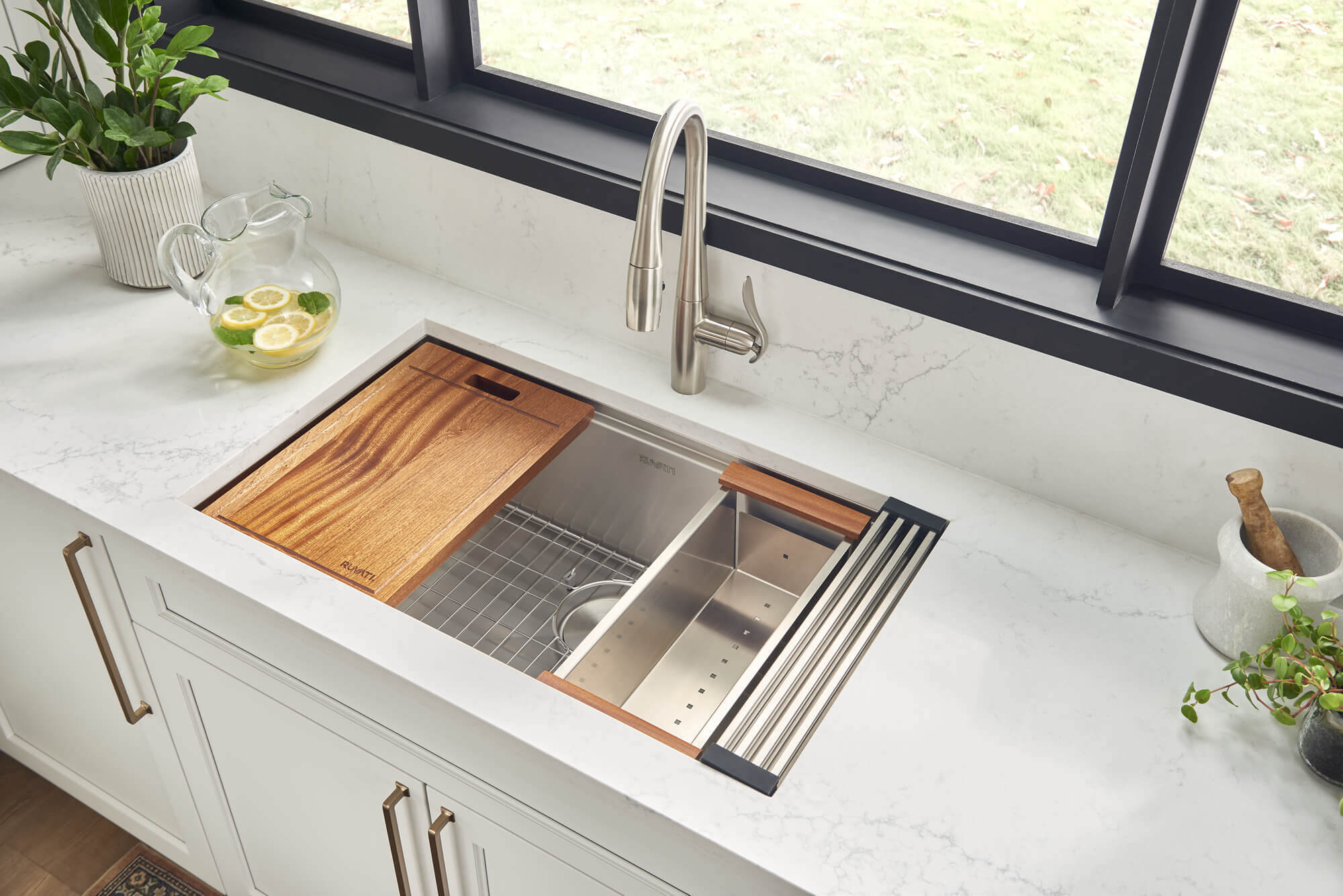
Undermount sinks are installed beneath the countertop for a clean, seamless finish. They create a flush surface that makes wiping crumbs directly into the sink effortless, with no raised rim to catch debris. This modern look pairs beautifully with quartz, granite, and solid-surface countertops.
 View the Best Farmhouse Sinks Collection View the Best Farmhouse Sinks Collection |
View Undermount Kitchen Sinks Collection |

2. Design & Aesthetic Appeal
- Farmhouse: Instantly adds warmth and charm; ideal for transitional or rustic kitchens. The exposed front becomes a design focal point.
- Undermount: Offers a minimalist, sleek appearance that complements modern, contemporary, or compact spaces.
Design tip: A white fireclay farmhouse sink pairs beautifully with shaker cabinets, while a brushed-steel undermount sink suits a quartz countertop for a streamlined look.
3. Installation & Compatibility
- Farmhouse sinks typically require custom cabinetry or modification because of their depth and front-exposed design. They may also need additional support for heavy materials like fireclay or stone.
- Undermount sinks attach beneath the countertop using clips and sealant, working best with solid-surface materials (granite, quartz, or marble). They’re not ideal for laminate because moisture can weaken seams.
If you’re retrofitting, look for retrofit farmhouse sinks that fit standard 36″ base cabinets without a full rebuild.

Retrofit farmhouse sinks are a specialized option designed to deliver the apron-front look with minimal cabinet modification.
4. Materials & Durability
Both sink types are available in various materials, but their behavior changes slightly by style:
| Material | Farmhouse Suitability | Undermount Suitability |
|---|---|---|
| Fireclay | Excellent – classic glossy look, chip-resistant glazing | Rare – heavier to mount, usually not used undermount |
| Stainless Steel | Good – lighter weight, contemporary twist on apron style | Excellent – durable, hygienic, ideal for high-use kitchens |
| Granite Composite | Good – modern matte take on apron sinks | Excellent – strong, quiet, scratch-resistant |
| Copper | Excellent – handcrafted warmth; develops a living patina | Occasional – more common as a drop-in due to weight |
5. Maintenance & Cleaning
- Farmhouse sinks are easy to wipe but can require regular drying if they’re fireclay or copper, as water spots or patina may develop.
- Undermount sinks simplify countertop cleanup, but the underside seal should be checked occasionally to prevent moisture buildup.
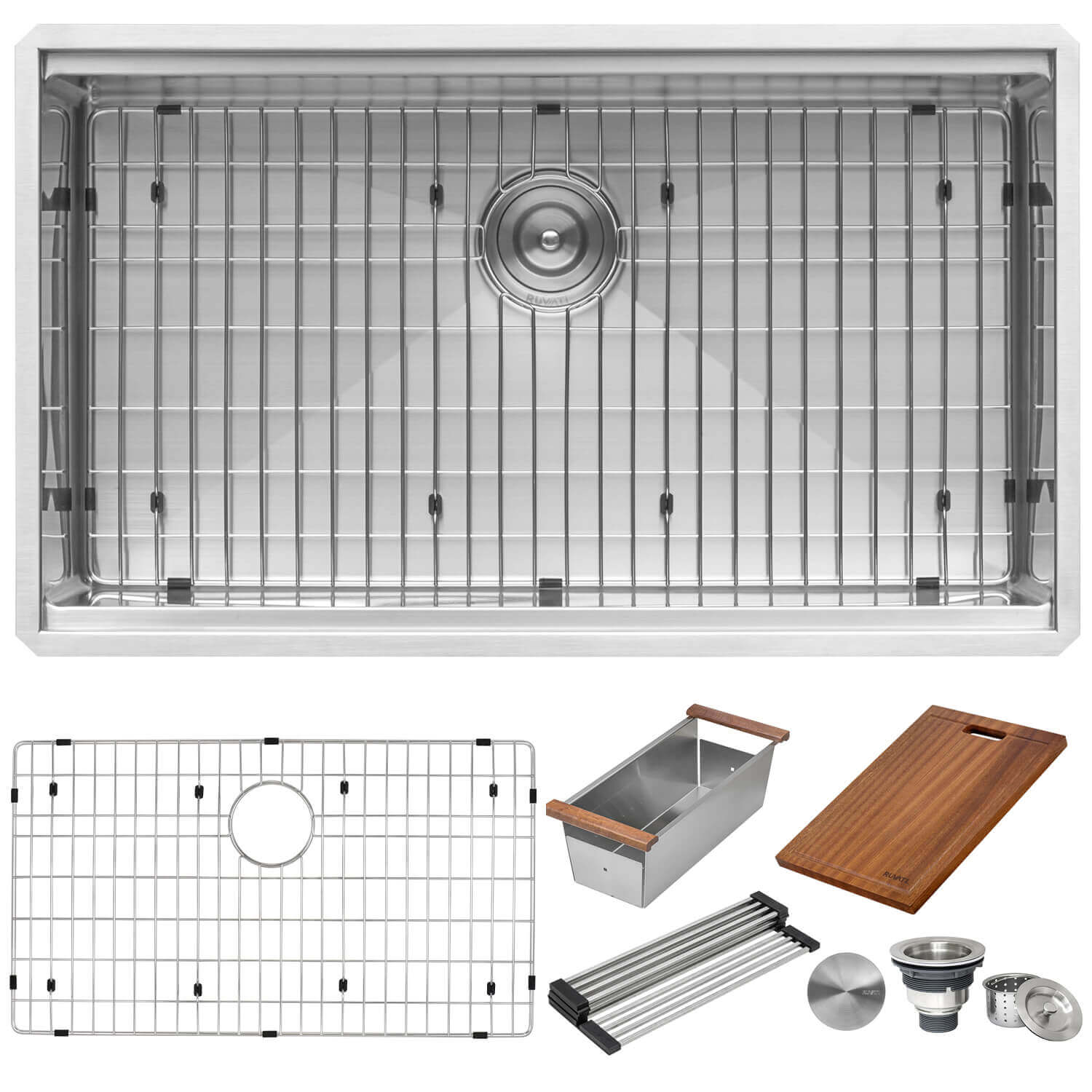
Tip: Use a bottom grid or rack to prevent scratches and extend the sink’s life.
6. Cost & Value
- Farmhouse sinks: Generally higher cost due to heavier materials and custom installation, but add strong resale and design appeal.
- Undermount sinks: Usually more affordable and easier to install, especially in quartz or granite countertops.
Both can increase home value if paired well with your overall kitchen design.
7. Pros & Cons at a Glance
| Type | Pros | Cons |
|---|---|---|
| Farmhouse | Timeless style, deep basin, ergonomic reach, strong visual appeal | Heavier, higher cost, needs custom cabinetry |
| Undermount | Clean modern look, easy cleanup, wide material options | Requires a solid countertop; the seal must stay watertight |
FAQs: Farmhouse vs. Undermount Sinks
Which sink style is easier to install?
Undermount sinks are easier to install if you already have a solid-surface countertop. Farmhouse sinks often require cabinet modification or a retrofit model.
Are farmhouse sinks more expensive?
Typically yes, the sink and installation both cost more, but they also add distinctive charm and potential resale value.
Do undermount sinks work with all countertops?
No. They’re best for stone or solid-surface materials like quartz and granite. Laminate counters don’t support undermount installations well.
Which style is more durable?
Durability depends more on material than style. Stainless steel and granite composite are the most resilient options for either sink type.
Can I replace my undermount with a farmhouse sink?
Yes, but expect cabinetry adjustments. Retrofit farmhouse sinks simplify the process with shorter apron fronts and standard depth compatibility.
Final Thoughts
Both farmhouse and undermount sinks can elevate your kitchen. Choose a farmhouse sink if you value character and deep utility; pick an undermount if you prefer streamlined looks and easy cleanup. Ultimately, the best sink fits your workflow and complements your countertop material.
Explore our complete collections of Farmhouse Sinks and Kitchen Sinks to find the perfect match for your home.